What Makes Roof Replacement in Succasunna, NJ a Smart Home Investment?
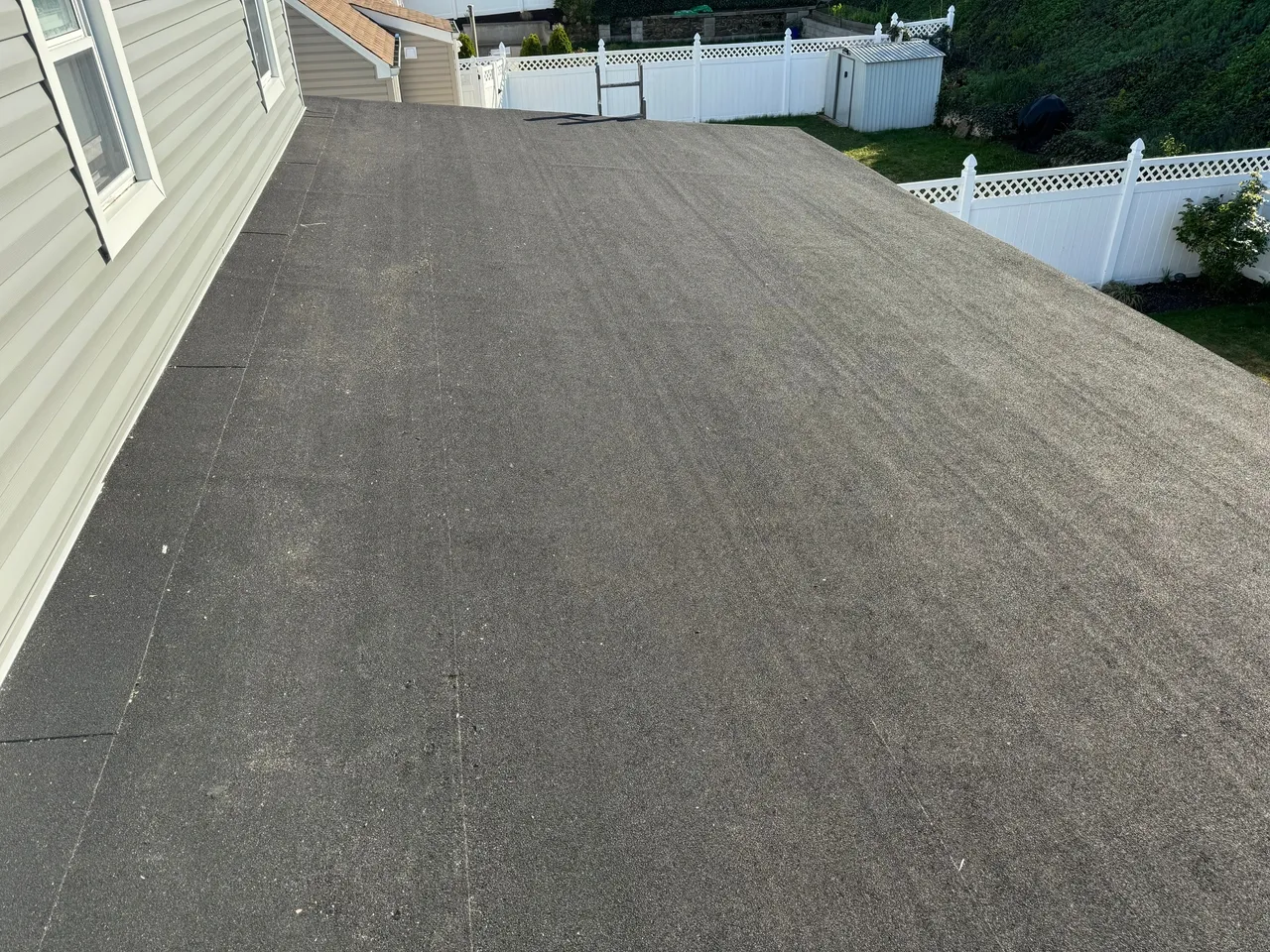
A roof replacement is rarely an impulse decision. In most homes, it lands somewhere between necessity and strategy. Homeowners in Succasunna usually start thinking about it after a leak, a section of missing shingles, or that uneasy moment when they notice the roof looks older than the rest of the neighborhood. What often gets missed is that a full replacement is not just a repair bill with extra zeros attached. Done at the right time, it can protect equity, reduce future maintenance, improve efficiency, and make a house far easier to live in and eventually sell.
That matters in a place like Succasunna, where homes see the full sweep of New Jersey weather. Winters can be hard on older shingles and flashing. Summer heat bakes south-facing roof slopes for months. Spring and fall storms test every vulnerable seam. Those cycles add up. A roof does not usually fail all at once. It weakens by degrees, and by the time problems become obvious indoors, the damage outside has often been building for years.
When people talk about return on investment, they often focus on kitchens, baths, or additions. Those projects are visible, which makes them easy to appreciate. Roofing is different. Its value is quieter but more foundational. A sound roof protects framing, insulation, drywall, flooring, electrical systems, and personal belongings. It affects utility costs and buyer confidence. It can even shape what an insurer thinks about your property. In real terms, replacing a failing roof is often one of the most financially disciplined decisions a homeowner can make.
Succasunna homes face a climate that punishes aging roofs
Succasunna is not an environment where a marginal roof gets much mercy. Freeze-thaw cycles are especially tough on roofing materials. Water enters small cracks around fasteners, flashing, or worn shingle edges, then expands as temperatures drop. That movement widens gaps, loosens components, and creates paths for the next storm to push water farther into the system.
Snow load is another factor homeowners sometimes underestimate. The issue is not always dramatic collapse. More often, prolonged snow cover exposes weak attic ventilation, encourages ice dam formation, and exploits minor defects near eaves and valleys. Once meltwater backs up under shingles, ceilings and wall cavities can become involved. A roof that seemed "good enough for one more winter" suddenly becomes the source of insulation damage, mold growth, and stained finishes.
Summer creates a different kind of wear. Prolonged heat accelerates shingle aging, especially on darker roofs with inadequate attic ventilation. Asphalt shingles can dry out, curl, and lose granules faster when trapped heat has nowhere to go. In older homes, I have seen attics hot enough to shorten not only roof life but the service life of nearby HVAC components and stored items as well.
This is why Roof Replacement Succasunna, NJ is often less about cosmetic improvement and more about resetting the home's first line of defense against a demanding climate. A roof that is near the end of its life does not become a better value simply because it has not failed yet.
Replacement often costs less than repeated repairs over time
Many homeowners try to stretch roof life by repairing isolated trouble spots. That approach can make sense if the roof is relatively young and the problem is truly local, such as wind damage on one slope or flashing failure around a chimney. It becomes much less economical when repairs start chasing symptoms rather than fixing the underlying system.
A common pattern goes like this. One leak appears near a vent pipe. A repair is made. Six months later, another stain shows up along a valley. Then a few shingles lift after a storm. The homeowner pays for service calls, patchwork, interior touch-up, and the inconvenience of waiting through the next rain to see if the issue is really resolved. At a certain point, the roof is not being maintained, it is being propped up.
The hidden expense is the uncertainty. Buyers, insurers, and even contractors can sense the difference between a roof with a defined lifespan left and one that has become a sequence of isolated fixes. A full replacement gives the house a clean baseline. Flashing, underlayment, ventilation details, and vulnerable transitions are all addressed at once. That removes a lot of guesswork.
I have seen homeowners spend what felt like smaller amounts each year, only to realize after three or four seasons that they had paid a meaningful fraction of a full replacement without gaining any real confidence. The roof still worried them every time the forecast called for wind-driven rain. That is not savings. That is deferred spending with extra stress attached.
A new roof protects parts of the home you do not want to rebuild
Roof leaks rarely stay a roofing problem. Water travels. It runs along rafters, soaks insulation, stains ceilings far from the original entry point, and settles into framing cavities where it can remain undetected. By the time a spot appears in a second-floor bedroom, the path behind the scenes may involve sheathing, fascia, trim, and wallboard.
That secondary damage is where costs expand quickly. Wet insulation loses performance. Repeated moisture can rot roof decking. Mold remediation, if needed, introduces another layer of expense and disruption. Once carpentry repairs are involved, the budget no longer resembles a straightforward roofing project.
Replacing the roof before widespread leaks begin is one of the few home improvement decisions that can directly prevent a chain of unrelated repairs. It is the difference between replacing a worn-out component and restoring multiple building systems after failure.
This matters even more in homes where the attic contains mechanical runs, recessed lighting, or stored belongings with sentimental or financial value. A dry attic is not glamorous, but it preserves a lot of what homeowners have already paid for.
Energy performance improves when the roof system is built correctly
People often ask whether a new roof lowers energy bills. The honest answer is that it can, but not by magic and not in every house by the same amount. The real gains come from how the roof system works together: proper ventilation, solid decking, quality underlayment, effective flashing, and in some cases shingle color and material choice.
In older homes, poor attic ventilation is common. Heat gets trapped in summer and moisture lingers in winter. That forces the HVAC system to work harder and can contribute to inconsistent indoor temperatures. A roof replacement is one of the best times to correct those conditions because the contractor has direct access to the assembly. Intake and exhaust ventilation can be evaluated together rather than pieced in over time.
The result is often a house that feels more stable season to season. Upper rooms may stay less stuffy in August. Ice dam risk may drop in winter. Utility savings vary, and no responsible contractor should promise dramatic cuts without seeing the whole home envelope, but modest improvements over many years are real. More important, a properly ventilated roof tends to age better, which protects the investment itself.
Resale value is not just about appraisal, it is about buyer confidence
A roof has an outsized effect on how buyers judge a property. Even when they cannot name the roofing material or estimate remaining lifespan, they know a worn roof signals future expense. It creates hesitation. It invites lower offers. It turns a simple inspection into a negotiation over concessions, timelines, and risk.
A new roof changes that conversation. Buyers see one major capital item already handled. They worry less about moving into immediate repairs. Lenders and insurers are often more comfortable as well. In a competitive market, that can widen the pool of interested buyers. In a slower market, it can keep your house from being filtered out early.
The value is not always dollar for dollar in the sale price. Some of it shows up as speed, smoother inspections, fewer credits requested, and stronger negotiating position. Those are real benefits. A house Roof Replacement Succasunna, NJ royaltyexteriorsnj.com that feels well maintained tends to hold its price more firmly than one carrying visible deferred maintenance.
Curb appeal plays a role too. Roofing occupies a large percentage of what people see from the street. When shingles are faded, patchy, or visibly curling, the whole property reads as tired, even if the landscaping and siding are in good shape. A well-chosen replacement roof can sharpen the exterior more than many homeowners expect.
Insurance concerns can turn an old roof into a financial liability
Homeowners do not always think about insurance until a claim is filed or a renewal notice arrives with new terms. Yet roof age and condition matter more than they once did. Some carriers scrutinize older roofs closely, especially when storm damage is involved. Others may limit coverage or increase deductibles if the roof is well beyond its expected service life.
This is one of those areas where replacement can be a defensive financial move. A newer roof, installed to current standards and documented properly, may put the homeowner in a better position when weather events occur. It can also reduce disputes about whether damage is the result of a covered storm or long-term wear and tear.
That does not mean every new roof cuts premiums dramatically. Insurance pricing depends on many factors. Still, an aging roof can absolutely create friction, and eliminating that friction has value. If you have ever tried to navigate a claim with a roof that was already in questionable shape, you know how quickly a straightforward event becomes a debate.
Material choice affects long-term value, not just upfront cost
Not all roof replacements deliver the same return. The smart investment comes from matching materials and installation quality to the house, the budget, and the expected ownership horizon.
Architectural asphalt shingles remain the practical choice for many Succasunna homeowners because they balance durability, appearance, and cost. They typically outperform older three-tab styles and offer a more dimensional look. Metal roofing may make sense in some cases, especially for longevity and snow shedding, but the cost profile is different and not every neighborhood aesthetic supports it equally well. Premium materials can be worthwhile, but only when the rest of the house and the homeowner's timeline support the expense.
What matters most is not chasing the most expensive option. It is choosing a system that will perform reliably in local conditions and be installed with care. I would take a very good asphalt roof installed by a disciplined crew over a premium material installed carelessly any day. Failures usually start at details: valleys, penetrations, flashing points, ridge transitions, and ventilation errors. That is where judgment and workmanship matter.
Timing makes a major difference in cost and disruption
Homeowners often ask when replacement becomes the smart move instead of the forced move. The answer usually comes down to timing. If you replace the roof while the problem is still mostly the roof, you maintain control. You can compare proposals thoughtfully, choose materials without pressure, and schedule work in a season that suits your household. If you wait until active leaks spread, the project happens on the roof's terms, not yours.
There is also a practical difference between replacing a roof after a careful inspection and replacing one after an emergency tarp has gone up. Emergency situations compress decision-making. Prices may be less flexible, product choices narrower, and the homeowner more likely to approve work quickly just to stop the damage.
A smart timing window often opens when shingles show broad signs of age, such as granule loss, curling, repeated blow-offs, or soft spots in decking, even if the interior still looks fine. That is the point where proactive replacement usually protects the most value.
Signs that replacement may be the better call
The decision is not always obvious from the ground. Still, there are a few patterns that consistently point toward replacement rather than more patching.
- The roof is near or beyond its expected lifespan and repairs are becoming more frequent.
- Leaks are appearing in multiple areas, especially around valleys, chimneys, or roof penetrations.
- Shingles are curling, cracking, or losing granules across wide sections, not just one isolated spot.
- The roof deck feels soft in places or there are visible signs of sagging and moisture damage.
- Insurance, resale plans, or inspection findings are already making the roof a point of concern.
Any one of these does not automatically mean full replacement is necessary. Together, they usually tell a pretty clear story.
The best return comes from the right contractor, not the lowest bid
This is where homeowners can protect or lose a large part of their investment. Roofing proposals often look similar at first glance, but they can vary significantly in scope. One contractor may include complete tear-off, decking replacement as needed, upgraded underlayment, proper ridge ventilation, new flashing, and disposal. Another may price only the visible surface materials and leave critical details vague. The cheaper estimate can become the more expensive roof if callbacks and premature failures follow.
A sound proposal should spell out what is being removed, what is being installed, how ventilation will be handled, what happens if damaged decking is found, and how the property will be protected during work. Cleanup matters too. So does communication. A roof replacement is a short project compared with a renovation, but it is intense while it is happening. Good crews keep the site organized, protect landscaping, and manage debris carefully.
Local experience matters in a place like Succasunna. Roofers who understand regional weather patterns, older home construction, and municipal expectations tend to make better recommendations. They know which details are most likely to fail after a heavy winter. They know how certain rooflines collect snow and how prevailing storms expose particular elevations.
If a homeowner is comparing contractors for Roof Replacement Succasunna, NJ, the best question is not simply "How much?" It is "What exactly am I getting, and how confident am I that this system will still be doing its job ten or fifteen years from now?"
Replacement can reveal and resolve long-ignored issues
One of the underappreciated benefits of a full roof replacement is diagnostic clarity. Once the old roofing is removed, hidden conditions become visible. Weak decking, poor prior repairs, improper flashing, blocked ventilation paths, or evidence of chronic moisture can be corrected before the new roof goes on.
That is not a sales pitch for discovering extra work. Sometimes tear-off reveals a roof structure in decent shape, and that is great news. But when problems are present, this is the most efficient moment to address them. Covering compromised materials with new shingles only delays the expense and weakens the performance of the new installation.
I have seen homes where repeated leaks around a chimney were blamed on storm damage year after year, when the real issue was old flashing buried under multiple patch jobs. Once the roof was replaced properly, the "mystery leak" disappeared. That kind of resolution is hard to achieve with surface-level repair alone.
The investment is as much about predictability as savings
Homeownership becomes easier when major systems are dependable. A new roof does not eliminate every maintenance concern, but it removes one of the most consequential unknowns. That has practical value. Budgets become easier to plan. Seasonal storms cause less anxiety. Sellers can go to market with fewer apologies. Buyers can purchase with fewer reservations.
There is also a quality-of-life factor that should not be dismissed. Living under a roof you do not trust changes how a house feels. People keep buckets in closets, check ceilings after every storm, and postpone finishing attic spaces because they are not sure the envelope is secure. Replacing the roof does more than improve a balance sheet. It restores confidence in the home itself.
For Succasunna homeowners, that confidence is built on very concrete advantages: stronger weather protection, lower risk of secondary damage, better efficiency potential, improved marketability, and fewer insurance complications. The smartest investments are not always the flashiest ones. Often, they are the projects that make everything else in the house safer, more durable, and easier to preserve. A well-timed roof replacement does exactly that.
Royalty Exteriors
151 NJ-10 Suite 103A, Succasunna, NJ 07876, United States
+1 973-333-7234
FAQ About Roof Replacement Succasunna, NJ
What are signs a roof needs replacing?
Widespread shingle deterioration, repeated leaks, or damaged decking can point to a larger problem. A roofer can inspect the roof covering, flashing, and deck to determine whether the damage is localized or whether replacement makes more sense.
How long does it take to reroof a 2000 square foot house?
Royalty Exteriors estimates one to three days for many single-family roof replacements. A house’s floor area does not tell you the actual roof area. Pitch, roof features, weather, and any decking repairs can change the schedule.
How long should a roof last in NJ?
There is no single lifespan for every roof. Material, installation quality, attic ventilation, maintenance, and exposure to storms all affect how long a roof remains serviceable. An inspection can help you assess its condition and plan for replacement.